Queer Places:
19 Fitzroy St, Bloomsbury, London W1T 4BN, UK
St. Nicholas' Churchyard, Church Cl, Bathampton, Bath BA2 6TU, United Kingdom
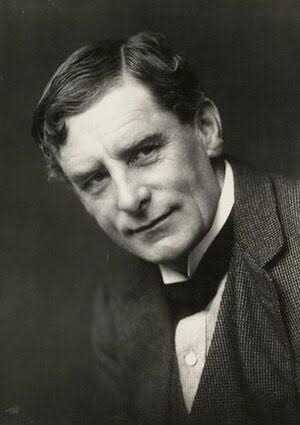 Walter Richard Sickert (May 31, 1860 - January 22, 1942), born on May 31, 1860, in Munich, Germany, was a pioneering British painter and printmaker who played a crucial role
in the transition from impressionism to modernism in British art. A prominent figure of the Camden Town Group and the Fitzroy Street Group, Sickert was celebrated for his
gritty, atmospheric depictions of urban life, music halls, and domestic interiors. Beyond his artistic legacy, his life was deeply intertwined with the avant-garde artistic
circles of late-nineteenth and early-twentieth-century Britain, where traditional social and domestic boundaries were frequently reimagined.
Walter Richard Sickert (May 31, 1860 - January 22, 1942), born on May 31, 1860, in Munich, Germany, was a pioneering British painter and printmaker who played a crucial role
in the transition from impressionism to modernism in British art. A prominent figure of the Camden Town Group and the Fitzroy Street Group, Sickert was celebrated for his
gritty, atmospheric depictions of urban life, music halls, and domestic interiors. Beyond his artistic legacy, his life was deeply intertwined with the avant-garde artistic
circles of late-nineteenth and early-twentieth-century Britain, where traditional social and domestic boundaries were frequently reimagined.
Sickert maintained a complex and profound relationship with the American-born British artist and patron Ethel Sands, a central
figure in the Anglo-French modernist network who lived openly as a lesbian with her lifelong partner, Anna Hope Hudson. Sickert
and Sands shared a deep, enduring artistic camaraderie and a close personal friendship that spanned decades. Sands was not only a fellow painter influenced by Sickert's
tonal realism and impressionist aesthetic, but she also became a vital anchor within Sickert's social and creative orbit. Their bond exemplified the progressive,
cross-gender alliances characteristic of the bohemian art world of the period, where conventional marital and romantic structures were often superseded by deeply
collaborative and affectionate platonic partnerships among queer and allied artists.
Sickert's personal life and social networks frequently intersected with individuals who challenged conventional Victorian and Edwardian morality. His association with
Ethel Sands placed him at the heart of a sophisticated, bohemian ecosystem that embraced diverse lifestyles and identities, notably through Sands's lifelong domestic
partnership with Hudson at their homes in Oxfordshire and Chelsea, which served as vibrant salons for modern artists, writers, and intellectuals. Sickert died on January 22,
1942, in Bathampton, Somerset, leaving behind a legacy as both a revolutionary painter and an enduring figure within the intricate social tapestries of early
twentieth-century British modernism.

19, Fitzroy Street (Walter Richard Sickert's studio) 1912–1914, Malcolm Drummond (1880–1945), Laing Art Gallery
References:
- Baron, Wendy (1973). Miss Ethel Sands and her Circle. London: Peter Owen. (A foundational biographical and art-historical study detailing Ethel Sands, her companion Anna Hudson, and their extensive artistic network including Walter Sickert).
- Baron, Wendy (1992) & Shone, Richard, eds. Sickert: Paintings. New Haven and London: Yale University Press. (Catalog for the Royal Academy of Arts exhibition, containing essays on Sickert's career, social circles, and artistic associations).
- Sturgis, Matthew (2005). Walter Sickert: A Life. London: HarperCollins. (The definitive, comprehensive major biography of Walter Sickert, detailing his life, artistic development, and complex social interactions).
- Tate Archive (TGA 9125/5). Walter Sickert Letters to Nan Hudson and Ethel Sands. (Primary source collection documenting the deep personal and professional correspondence between Sickert, Sands, and Hudson).
- Tate Gallery Research Publications (2012). The Camden Town Group in Context (specifically the research publication entry on Ethel Sands's painting Tea with Sickert, c. 1911–12).
Support this project
This website is a passion project researched, developed, and funded entirely by me. If you find the content valuable and would like to help support the ongoing research and hosting costs, any contribution is deeply appreciated.
Thank you for keeping this independent resource alive!
My books on Amazon: Elisa Rolle's books
BACK TO HOME PAGE